State Awarded $21 Million Grant to Grow Substance Abuse Prevention, Treatment Programs

The State has been awarded $21 million in grant funding to increase access to medication-assisted treatment for opioid and stimulant abuse, expand treatment options, and reduce opioid and stimulant overdose deaths over the next two years, the Arkansas Department of Human Services (DHS) announced Monday.
Today is the day that people across the country observe International Overdose Awareness Day.
“Arkansas is one of four states that has reduced the number of fatal drug overdoses over the past year,” Governor Asa Hutchinson said. “This confirms that our programs are working. This grant will enhance our efforts to educate and save lives.”

The State Opioid Response grant from the Substance Abuse and Mental Health Services Administration (SAMHSA) will fund 10 different projects in Arkansas that fall into one of three categories: prevention, treatment, and recovery.

“With this additional funding, we can build upon the work we’ve already done to address opioid addiction and ensure that services are available all across the state, especially in rural areas that may have limited access today,” said Arkansas Drug Director Kirk Lane, who works with the DHS Division of Adult, Aging and Behavioral Health Services (DAABHS). “Substance Use Disorder affects people from all walks of life, and it’s going to take a strategic and coordinated effort to address the problem.”

Lane said DHS is working with the University of Arkansas for Medical Sciences, the University of Arkansas at Little Rock, and Arkansas Community Correction on some of these projects. Included funding will be used to:

• Increase access to Medication-Assisted Treatment (MAT) for Opioid Use Disorder (OUD) by recruiting and supporting new MAT providers. Since staff began working on this issue a year and a half ago, the number of doctors who can provide this treatment has gone from 75 to 360.
• Continue to reduce unmet treatment and recovery needs, with a focus on rural areas of the state.
• Reduce opioid overdose deaths utilizing and empowering the use of naloxone
• Reducing the stigma that surrounds substance use disorder
• Expand the use of peer recovery work, which uses people with lived substance use disorder experiences who have been in recovery for at least two years to connect with and support others who are struggling.
• Continue outreach and education about Substance Use Disorder aimed at the aging population, college students, and prescribing communities.

10 Make History as First Peer Supervisors in Arkansas

Peer Recovery in Arkansas continues to soar to historic heights as 10 veteran Peer Recovery Specialists have been promoted to supervisor positions. Jimmy McGill, State Opioid Response Coordinator and the state’s first Peer Recovery Specialist, said the Arkansas model’s success has been so successful that other states have been taking notice, even replicating this model.

“Our supervision model has been complete less than 6 months and we’ve already shared the model with a dozen other states,” he said. “They want to follow our lead and develop similar programs. Our supervision curriculum is so detailed and thorough, and the reason this is so vital is – there has never before, in the history of workforce, been a job [created] that was based off lived experience.”

What is a Peer Recovery Specialist and what is their value to Arkansas? McGill explained that they are people with “direct lived experience with substance use, addiction and recovery and/or mental health recovery.” But in order to become a Peer Recovery Specialist, the person must have a minimum of 2-years of sustainable recovery (non-substance use) to be eligible to go into Peer Support training. After passing the training program, there is a minimum of 500 hours of workforce experience providing peer support. McGill said that during the training and workforce hours, “they are learning how to provide services, how to behave ethically, about our core competencies, our scope of practice, our core values, and fundamental beliefs that built the movement that now has America on fire.”

“You can’t disregard lived experienced, because everything learned about addiction was from our lived experience and because we allowed them to study us,” McGill said. “With a Peer Recovery Specialist, you get a passion for treatment and recovery that cannot be taught, bought or replicated. When a person in the addiction cycle meets with a Peer Recovery Specialist, they instantly identify and relate with each other.”

He added, “People in treatment and recovery programs are usually afraid to get honest because they don’t want to feel judged or maybe they will feel that someone is being condescending to them. With a Peer Recovery Specialist, the fear is immediately removed. Relatable equals transparency, and that is the key toward sustained recovery. That is also not saying that clinicians aren’t important because as a Peer Recovery Specialist, we’re not operating in a primary role as a clinician, but the two working alongside each other, that’s the dynamic duo.”

The Peer Recovery Specialists are certified by the Arkansas Substance Abuse Certification Board, which is recognized by the Office of Arkansas Drug Director; Arkansas Alcohol and Drug Abuse Coordinating Council; the Department of Human Services’ Division of Aging, Adult and Behavioral Health Services; and the University of Arkansas-Little Rock MidSouth School for Prevention and Social Work. There are currently 350 state certified Peer Recovery Specialists in Arkansas.

McGill said it was the leadership of Arkansas Drug Director Kirk Lane and Arkansas Governor Asa Hutchinson who saw the value of Peer Recovery and lead the way to the development of the Arkansas Peer Recovery Model. In fact, it was both Lane and Gov. Hutchinson who signed off on hiring McGill and other people with criminal histories, including felony records, to state positions as Peer Recovery Specialists. That historic, unprecedented leap of faith from these Arkansas leaders have saved and changed limitless number of lives. And think of how much this program has lowered crime in communities because those who often committed crimes due to substance addiction are now sober and giving back to their communities, McGill said.

“They not only saw the value of Peer Recovery Specialists, they worked with us and encouraged the model to what it is today,” he said. “The first thing we learned when we developed the Arkansas Model for Peers is that without something for Peers to work toward, a place for growth, they would burn out and find a different career. Under the leadership of our Drug Director, we developed a model that would ensure the peers have something to achieve, and the higher the climb the career ladder that also includes a wage increase.”

In the Arkansas model after a person earns certification as a Peer Recovery Specialist the next level is the Advanced Peer Recovery. In order to attain that certification, the specialist must have an additional 500 hours of workforce experience providing peer support and pass a 75-question test. That certification is only recognized in Arkansas, McGill explained.

“If you want to further your career even more, you have the option to go through the supervision model, which that credential would be a Peer Recovery Peer Supervisor,” McGill said. “That requires more tests, more training, more peer support service hours, and then you interview with A.P.A.C.T. (Arkansas Peer Advisory Committee) – a committee of seasoned peer specialists who are evaluating the candidates; they also consult with the Peer Recovery Coordinator at the Department of Human Services’ Division of Aging, Adult and Behavioral Health Services.

“And they don’t make it easy,” McGill said with a laugh. “Not everyone can do it. You might be an amazing Peer Recovery Specialist, but maybe not so much for a supervisor position. These are the best of the best Peer Recovery Specialists.”

The first 10 Peer Recovery Peer Supervisors in Arkansas are: Jimmy McGill, Lester “Les” Cupp (the second Peer Recovery Specialist in Arkansas), Bonnie Stribling, Teresa Apple, Gary Wade Carter, Gary McDougal, Misty Evans, Edward “Monte” Payne, Kyle Brewer, and Casey Copeland.

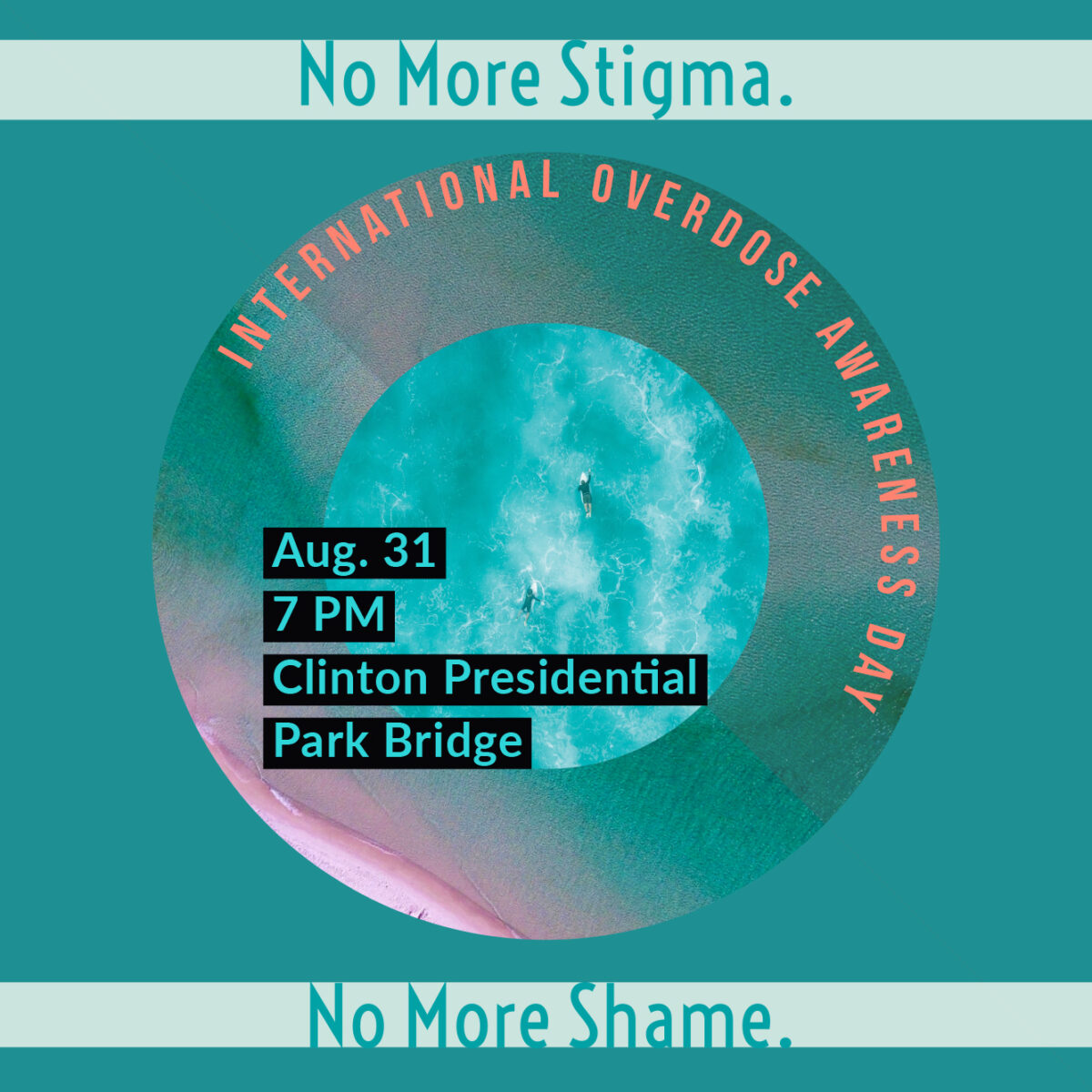
Ending Stigma Is Essential Theme At Aug. 31 Overdose Awareness Day, Event At Clinton Library Park Bridge

Little Rock, AR — The Parker Gill Foundation, Hope Movement Coalition and Natural State Recovery Centers is encouraging Arkansans to observe International Overdose Awareness Day, a time to remember those we have lost to drug overdose. International Overdose Awareness Day is a global event held on August 31st each year and aims to raise awareness of overdose and reduce the stigma of a drug-related death. It also acknowledges the grief felt by families and friends remembering those who have died or had a permanent injury because of drug overdose.


International Overdose Awareness Day spreads the message that overdose death is preventable. Opioid-related deaths have skyrocketed in recent years. Of the 70,980 drug overdoses that occurred in 2019 (a rise of 4.6%), more than 50,042 involved opioids, according to data from CDC.

“Addiction touches the lives of many Americans, and these deaths are completely preventable,” Christopher S. Dickie, CEO of Natural State Recovery, said in an August press release. “International Overdose Awareness Day is an opportunity for those who have lost loved ones to remember and reflect. It is also a time to reduce stigma and prevent future deaths by supporting education and advocacy efforts.”

This year on Monday, August 31th, we will meet at the Clinton Presidential Park Bridge at 1200 President Clinton Avenue, Little Rock, AR at 7:00 to observe Overdose Awareness Day. Individuals who have lost someone from an overdose will join together with individuals in recovery to stand united on the bridge to pay tribute to the lives lost and to share the hope of recovery as the bridges of Little Rock are lit purple at sunset.


The Can You See Me Now banners featured on Wake Up Central will be on display. This campaign, started by an Arkansas mom in 2019, has grown to include 2700 faces of individuals from across the United States that have lost their lives to overdose. The number of faces continue to grow as new faces are added daily.

Together Arkansas Opioid Response Initiative endorsed by Arkansas Attorney General and Drug Director

Together Arkansas, an opioid response initiative developed by the Arkansas State Chamber of Commerce/Associated Industries of Arkansas, Arkansas Blue Cross and Blue Shield, and the Arkansas Foundation for Medical Care (AFMC), has received the endorsement of Leslie Rutledge, Arkansas Attorney General, and Kirk Lane, Arkansas Drug Director. The online toolkit also features connections to new resources available to help fight the opioid crisis in the state.

“We are pleased to receive the support of two well-known Arkansans committed to addressing the opioid crisis in Arkansas,” said Randy Zook, State Chamber/AIA president and chief executive officer. “Attorney General Leslie Rutledge and Arkansas Drug Director Kirk Lane are familiar names in the fight against opioid- and substance-use disorder to help improve the health of the Arkansas workforce. As a sponsor of Together Arkansas, we are pleased to receive their validation of this important resource for employers in our state.”

Together Arkansas was launched in November 2019, a collaboration of the three entities as part of their ongoing efforts to address the opioid crisis by providing employers in the state a resource at no cost to help develop and promote a drug-free workplace. The online resource recently added connections to valuable information for employers and updated contact information for urgent help needed by employees and their families.

“At AFMC, our mission is to improve health care for all Arkansans,” said AFMC President and CEO Ray Hanley. “We are pleased to bring additional information to the online toolkit that can lead Arkansans to help and hope. And, we are happy to have Kirk Lane and Attorney General Leslie Rutledge on the side of Arkansans in this fight. Their relentless commitment to raising awareness of the issue, encouraging people who are experiencing the impact of opioid use from all perspectives to get help, and protecting the innocent in the process is recognized and appreciated.”

Together Arkansas provides employers with a toolkit of free resources to help them prepare, prevent, and respond to the opioid crisis. The online course consists of five modules (13 to 16 minutes per module) that cover legal and operational issues, best practices for drug-testing, developing policies and procedures, how to respond to an employee’s misuse of harmful drugs, where to refer an employee who needs help, and providing options for an employee to return to work.

“The opioid epidemic is one of the biggest threats to business and our economy today,” said Arkansas Blue Cross and Blue Shield President and CEO Curtis Barnett. “Not only has Kirk Lane been instrumental in raising awareness and combating the opioid crisis throughout Arkansas at the state’s highest level, he has been an important advisor for the Together Arkansas initiative. AG Rutledge has led the charge and raised the profile of helping stop illegal activity that keeps the Arkansas workforce vulnerable through opioid and other substance addiction. We’re pleased to have them carrying the banner for employers as they help their employees.”

Seventy-five percent of employers have had an issue with opioids in the workplace, according to a National Safety Council Employer Survey. In Arkansas, opioids take one life every two days and in 2017 there were 194 opioid-related deaths in the state, according to the National Institute on Drug Abuse’s (NIDA) Arkansas Opioid Summary.

To access the Together Arkansas modules or learn more about the initiative, visit www.togetherarkansas.com. For assistance, contact [email protected].

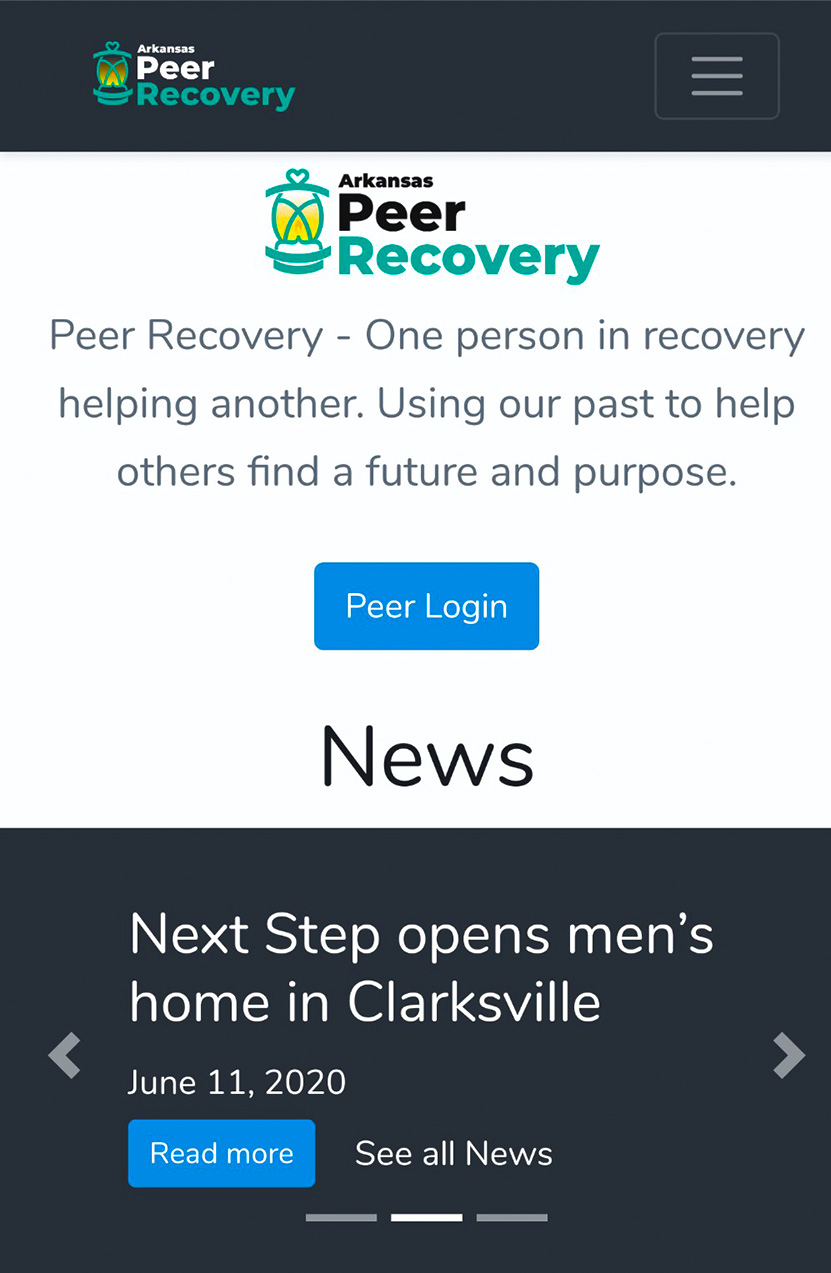
Arkansas Launches Peer Recovery Support Website

ARpeers.org provides critical recovery support services for Arkansans

The Arkansas Peer Advisory Committee has launched a new website that provides public access to local information on recovery support services, as well as a safe space for Peer Recovery Specialists to connect with other peers in their community. Developed in partnership with the Information Network of Arkansas (INA), ARpeers.org features recovery support news and events that are available to the public, as well as a host of features only available to Peer Recovery Specialists.

“INA and partners have developed a site to help the peer recovery community in Arkansas to stay connected and find resources to seek out and sustain sobriety,” said Kirk Lane, Arkansas Drug Director. “It is, without a doubt, going to be a key resource that will save countless lives, improve families and instill that ‘recovery works.’”

Peer Recovery Specialists who have previously completed the Arkansas Department of Human Services’ training course can access the site with their provided login information. Upon logging in, peers have the ability to create their own profile, view and contribute to news postings and events nearby, and locate and connect with peers in their area. In addition to outreach and engagement, peer recovery support services available from the site may include employment opportunities, transportation to and from treatment and recovery-oriented activities, specialized living situations, respite and crisis services and education about strategies to promote wellness and recovery.

“The ultimate weapon in recovery is one recovering person helping another,” said Jimmy McGill, Recovery Coordinator for the Office of Arkansas Drug Director. “By developing this app, INA made it possible for all recovering people in our state to be connected.”

ARpeers.org is optimized for mobile viewing and can be added to a phone’s home screen for quick access, much like other mobile apps. For more information about how to apply for Peer Recovery Specialist training, visit  https://www.midsouth.ualr.edu/daabhs/.

About Information Network of Arkansas

The Information Network of Arkansas (INA) is a public-private partnership between the state of Arkansas and the Arkansas Information Consortium (AIC) that helps state government entities Web-enable their information and services. Little Rock-based AIC is celebrating 23 years as the state’s official digital government services partner, and is part of digital government firm NIC’s (Nasdaq: EGOV) family of companies. A local tech employer, AIC was named among the 2019 “Best Places to Work in Arkansas” by Arkansas Business. INA operates Arkansas.gov, the official website of the state of Arkansas, which offers more than 950 state and local online services.

About NIC

NIC Inc. NIC Inc. (Nasdaq: EGOV) launched the digital government industry in 1992, and continues to lead it, providing a secure payment engine and thousands of digital government solutions across a network of more than 6,000 federal, state, and local government agencies. In addition, NIC is a leading provider of outdoor recreation solutions, with 1 out of 6 hunting and fishing licenses in the United States sold using an NIC service. The company created the nation’s first personal assistant for government and comprehensive mobile platform, Gov2Go®, as well as the innovative, data-driven prescription drug monitoring platform, RxGov®. More information is available at www.egov.com.

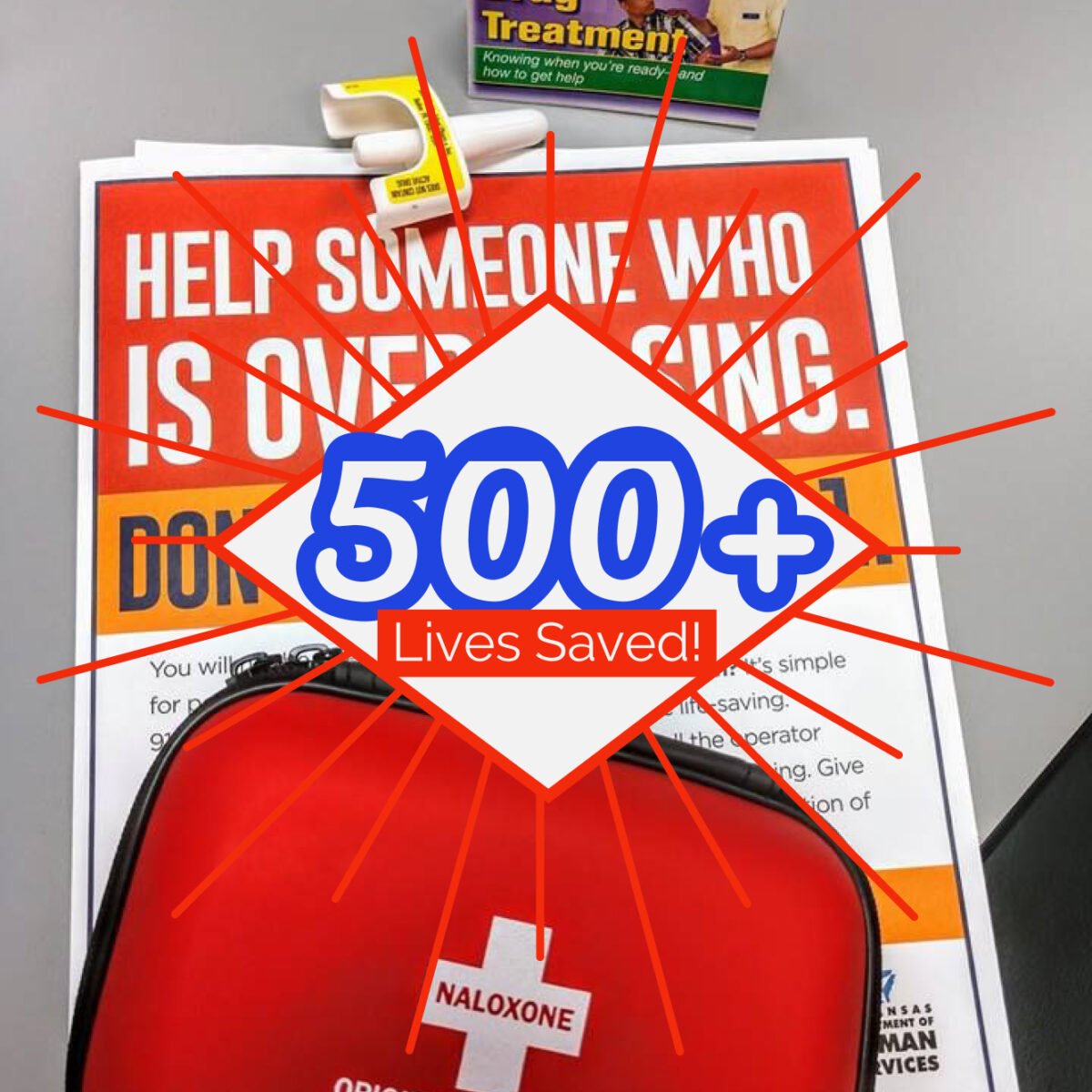
Number of overdose saves tops 500 through Arkansas program

Naloxone kits and training for law enforcement and other first responders to help them respond to life-threatening opioid overdoses have saved over 500 individuals as of the first weekend in June – a milestone that highlights the importance of the Arkansas Naloxone Project and efforts to educate Arkansans about opioid addiction.

“This was never a number we wanted to reach, but I am so thankful that this program exists because that is 500 people who got a second chance at life because of naloxone,” said State Drug Director Kirk Lane, who works with the Department of Human Services (DHS) Division of Aging, Adult, and Behavioral Health Services.

In October 2016, the Arkansas Naloxone Project began distributing the kits to law enforcement agencies, rural fire and EMS organizations, school nurses, librarians, and treatment and recovery facilities. The kits included a nasal form of naloxone called Narcan. Narcan is an FDA-approved medication used to reverse the effects of an opioid-induced overdose. The Project, which is a partnership among the State Drug Director’s Office, DHS, and the Criminal Justice Institute (CJI), has distributed over 7,000 Narcan kits and has provided training to over 8,000 first responders. The kits are funded through federal grants and private grants from the Arkansas Blue & You Foundation.

Illicit and prescription drugs that are opioids or mixed with opioids cause most overdoses and overdose deaths in Arkansas. The ability to administer Narcan has proven to be effective in reducing overdose deaths. There have been lives saved through this project in 33 of Arkansas’s 75 counties, with the most saves in Pulaski County (Arkansas’s most populous county).

Since the COVID 19 public health emergency began in March, Arkansas overdoses increased due to economic, social, and isolation pressures. The Arkansas Naloxone Project recorded 92 saves in this time period compared with 44 during the same period in 2019.

“One thing to know, especially during this time, is that people don’t have to wait for first responders to save a loved one who overdosed,” Lane said. “To reduce the chance of people dying, Governor Asa Hutchinson has issued a standing order allowing Arkansas-licensed pharmacists to sell naloxone to people who have friends and loved ones at risk of overdosing.”

Arkansas Code Annotated 20-13-604 provides immunity from civil liability to those who administer naloxone during an overdose.

To help people administer the medication, the State Drug Director’s Office and Criminal Justice Institute created the nARcansas app, which is a free opioid overdose resource that provides steps on how to administer a life-saving dose of naloxone as well as other valuable resources about opioids. Earlier this year, the app was updated to include voice directions in English and Spanish for administering naloxone.

To download the app, go Google Play or the Apple App Store. To learn more about the State’s efforts to combat opioid abuse, go to ardrugtakeback.org. To get mental health or addiction help for yourself or a loved one in Arkansas, please call 1-844-763-0198.

EMERGENCY DRUG OVERDOSE VISITS ASSOCIATED WITH INCREASED RISK FOR LATER SUICIDE

U.S. Department of Health and Human Services

NATIONAL INSTITUTES OF HEALTH NIH News

National Institute of Mental Health (NIMH) <https://www.nimh.nih.gov>

For Immediate Release: Thursday, May 7, 2020

EMERGENCY DRUG OVERDOSE VISITS ASSOCIATED WITH INCREASED RISK FOR LATER SUICIDE

NIH-funded study highlights importance of emergency department-based interventions for mitigating suicide risk

A new data analysis funded by the National Institutes of Health  finds patients who visited the emergency department for an opioid overdose are 100 times more likely to die by drug overdose in the year after being discharged and 18 times more likely to die by suicide relative to the general population. Additionally, in the year after emergency department discharge, patients who visited for a sedative/hypnotic overdose had overdose death rates 24 times higher, and suicide rates nine times higher, than the general population. The findings, published in the American Journal of Preventive Medicine, highlight the need for interventions that reduce suicide and overdose risk that can be implemented when patients come to the emergency department.

“We knew that nonfatal opioid and sedative/hypnotic drug overdoses were a major cause of disease. What these new findings show is that overdose patients also face an exceptionally high risk of subsequent death — not just from an unintentional overdose, but also from suicide, non-suicide accidents, and natural causes,” said Sidra Goldman-Mellor, Ph.D. < https://faculty.ucmerced.edu/sgoldman-mellor/>, lead study author and assistant professor of public health at the University of California, Merced.

Drug-related mortality is an ongoing public health problem. Deaths by drug overdose increased 225% between 1999 and 2015, with prescription drugs and heroin overdose accounting for the majority of these deaths. Although previous studies have detailed trends in emergency department visits related to opioid and sedative/hypnotic drug overdose, less is known about the risk of death in the year following emergency care for a drug overdose.

“We have tracked and reported patient survival for health concerns such as cancers and heart surgery for decades,” said paper co-author Michael Schoenbaum, Ph.D., a senior advisor for mental health services, epidemiology, and economics at the National Institute of Mental Health (NIMH), part of the NIH. “We improve what we measure and should be doing the same type of tracking for people with overdose or suicide risk to inform our prevention and treatment programs.”

To learn more about the risks for death that follow a nonfatal opioid overdose, a research team led by Dr. Goldman-Mellor examined discharge data for all visits to emergency departments in California between 2009 and 2011. These data were matched with death records from the California Department of Public Health, which provided information about the date and cause of death for all individuals who died between 2009-2012.

The researchers focused on patients who visited the emergency department for an opioid overdose (e.g., heroin, methadone) or for a sedative/hypnotic drug overdose (e.g., barbiturate, benzodiazepine) at least once during the 2009-2011 study period.

The data showed that for those who had visited for sedative/hypnotic drug overdose, the death rate in the following year was 18,080 per 100,000; for those who had visited for an opioid overdose, the death rate in the following year was 10,620 per 100,00 patients. The death rates for these groups were significantly higher than the death rate observed in a demographically matched group of Californians (3,236 per 100,000 people).

Eighty-eight percent of the unintentional deaths among patients who had visited for opioid overdose were caused by an unintentional overdose (1,863 per 100,000)-a rate 100 times higher than that of the general population. The suicide rate for this group (319 per 100,000 patients), which included some deaths by intentional drug overdose, was 18 times higher than that of the general population.

Sixty percent of unintentional deaths among patients who had visited for sedative/hypnotic overdose were caused by an unintentional drug overdose (342 per 100,00 patients) — a rate 24 times higher than that of the general population. Among those who had previously experienced a sedative/hypnotic drug overdose, the rate of death by suicide (174 per 100,000 patients) was almost nine times higher than the general population.

“There are already promising emergency department-based interventions that could reduce overdose and other mortality risks, such as suicide, among these patients, but such interventions need to be much more widely implemented,” said Dr. Goldman-Mellor. “Moreover, those interventions should target not just patients overdosing on opioids, but also those overdosing on sedative/hypnotic drugs, since their mortality risks were also very high.”

Dr. Goldman-Mellor indicated that although this study provides important information about the outcomes of individuals presenting to emergency departments after an overdose, the findings should be replicated in other parts of the U.S. using more recent data, as patterns of opioid and sedative/hypnotic use (and related mortality) have changed substantially over time.

Grant: MH113108 <https://projectreporter.nih.gov/project_info_details.cfm?aid=9304435&icde=49771429&ddparam=&ddvalue=&ddsub=&cr=2&csb=default&cs=ASC&pball=>

About the National Institute of Mental Health (NIMH): The mission of the NIMH is to transform the understanding and treatment of mental illnesses through basic and clinical research, paving the way for prevention, recovery, and cure. For more information, visit the NIMH website <http://www.nimh.nih.gov/>.

About the National Institutes of Health (NIH): NIH, the nation’s medical research agency, includes 27 Institutes and Centers and is a component of the U.S. Department of Health and Human Services. NIH is the primary federal agency conducting and supporting basic, clinical, and translational medical research, and is investigating the causes, treatments, and cures for both common and rare diseases. For more information about NIH and its programs, visit <www.nih.gov>.

NIH…Turning Discovery into Health — Registered, U.S. Patent and Trademark Office
DEA launches Secure Your Meds campaign, calls on Americans to keep medications safe

WASHINGTON – With families encouraged to stay at home due to the nationwide health crisis, the Drug Enforcement Administration is asking Americans to keep prescription medications safe and secure until they can properly dispose of them.

The Secure Your Meds awareness campaign addresses a vital public safety and health issue. Medicines that languish in home cabinets are highly susceptible to diversion, misuse, and abuse. The campaign also prompts families to discuss the issue of controlled prescription drug abuse.

“Protecting the health and safety of our communities is DEA’s top priority, especially during the unprecedented public health emergency,” said DEA Acting Administrator Uttam Dhillon. “With Americans at home, families need to be even more vigilant and keep prescription medications safe, secure, and out of reach of children and others in the household.”

DEA holds its National Prescription Drug Take Back Day twice a year. However, because of the current nationwide coronavirus pandemic, DEA postponed the 2020 Spring Take Back Day, originally scheduled for April 25, 2020. DEA will reschedule Take Back day for a date shortly after the health crisis recedes and national emergency guidelines are lifted.

In the meantime, DEA wants to remind Americans to clean out their medicine cabinets and secure unused, unwanted, and expired prescription medications for the next National Prescription Drug Take Back Day, on a date to be determined.

Rates of prescription drug abuse in the United States are alarmingly high, as are the number of accidental poisonings and overdoses due to these drugs. Studies show that a majority of abused prescription drugs are obtained from family and friends, including from the home medicine cabinet.

Once the Centers for Disease Control and Prevention lifts restrictions, DEA will reschedule Take Back Day.

National (and Arkansas) Prescription Drug Take Back Day Postponed

The upcoming National Prescription Drug Take Back Day scheduled for Saturday, April 25, 2020, is postponed due to the ongoing coronavirus (COVID-19) pandemic. DEA will reschedule Take Back Day for a date shortly after the health crisis recedes and national emergency guidelines are lifted.

The health and safety of our communities is a top priority for DEA. Given the overwhelming public response to past Take Back events and the anticipated large turnout for April’s event, DEA determined it would be prudent to suspend the event until safety concerns are mitigated. During this time, those seeking safe drug disposal options are encouraged to visit the DEA Diversion Control Division locator page.

Since 2010, Take Back Day events have provided easy, anonymous opportunities to remove medicines in the home that are highly susceptible to misuse, abuse, and theft. Through the National Prescription Drug Take Back Initiative, DEA, along with its partners throughout the country, has collected nearly 12.7 million pounds of expired, unused, and unwanted prescription medications. DEA will resume this important public service as soon as safely possible.

For updates and additional information on DEA’s Take Back events, please visit www.DEATakeBack.com.

Miss Arkansas Pledges To ‘Stop Stigma’ Campaign

Recent history has shown that nearly everyone, from all aspects of society, is affected by substance abuse – commonly referred to as addiction. Whether it’s family members, friends, co-workers, neighbors, congregation members, or old schoolmates, we are all surrounded by addiction affliction, and there’s probably a lot more people abusing substances around us than we truly know.

If we truly want to break the cycle, heal those in need, heal communities including the reduction of crime, save lives, and work toward the ultimate goal of “Winning the War on Drugs” it starts with the realization that there is no set standard of what an addict looks like. An addicts’ face, body and style of dress often look just like our own reflection.

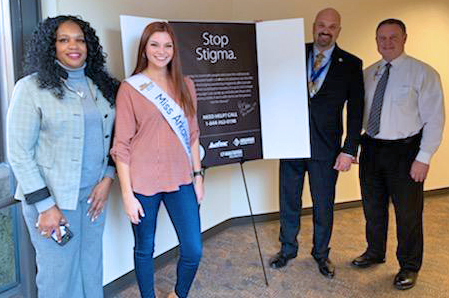
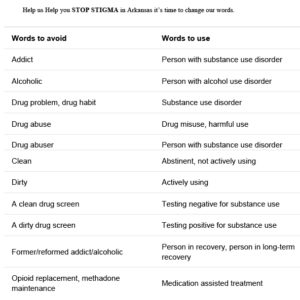
With empathetic hearts and awareness of the importance to recognize, learn and teach others about the dangers of stigma, the Office of Arkansas Drug Director and the Department of Human Services have launched the “Stop Stigma” Campaign with an early pledge from Darynne Dahlem, Miss Arkansas 2019. The campaign mission is to Stop Stigma! and change attitudes in Arkansas by securing the commitment of changing our words. By signing the campaign pledge, you will increase awareness in your community and utilize the information and resources available.

The stigma of drug use keeps people from seeking treatment. Words like “junkie,” “addict,” and “druggie” can hurt, damaging self-image and standing in the way of recovery. Addiction is not a choice. It is a chronic disease similar to diabetes, heart disease, and arthritis. Get the facts and embrace a community that needs our support.

[foogallery id=”4224″]

Some examples of Stigma:

♦ Hurtful words and labels, including junkie, loser, thief, druggie, abuser and addict.

♦ Comments such as “Once a junkie, always a junkie” or “You’re not fit to be a parent.”

♦ Perceptions, including: (a) Addiction is a personal choice (when in fact it is a disease). (b) Addiction is a sign of human weakness or lack of morals or willpower. (c) Addiction is the result of poor parenting.

♦ People in recovery with children have experienced other parents unwilling to let their children play at their schoolmate’s homes.

♦ Some communities view addiction as a crime, an act that must be penalized, versus a disease that needs treatment.

What Can We Do?

It is important to understand that opioid addiction is a treatable disease. On a personal level, we can look honestly at ourselves for signs of our own stigmas – negative, biased feelings, words or behaviors. We can make the effort to look at addiction from a different and hopefully more positive perspective.

We are all affected by the current epidemic of opioid addiction. Many people know someone who struggles with addiction or who is in treatment or recovery.

♦ We can all be part of the solution.

♦ We can take a stand against stigma.

♦ We can support treatment opportunities.

♦ We can encourage people in recovery.

♦ Most importantly, we can talk about addiction amongst our friends and family members to hopefully address the misperceptions about addiction, treatment options and long-term recovery.

♦ Each of us can commit to not using hurtful or damaging words about those who face addiction.

This Is What We Will Provide Your Organization

♦ A poster with the Stop Stigma pledge;

♦ Buttons for taking the pledge;

♦ Stop Stigma mirror cards;

♦ Copy of this language to change your words.

All That We Ask Is:

♦ Your organization sign the Stop Stigma poster;

♦ Place the poster in your business;

♦ Send us a photo of the poster being signed at [email protected]


Contact us to receive more information and learn how you can get involved at [email protected] or 501-683-5908.

Need Help? Call 1-844-763-0198